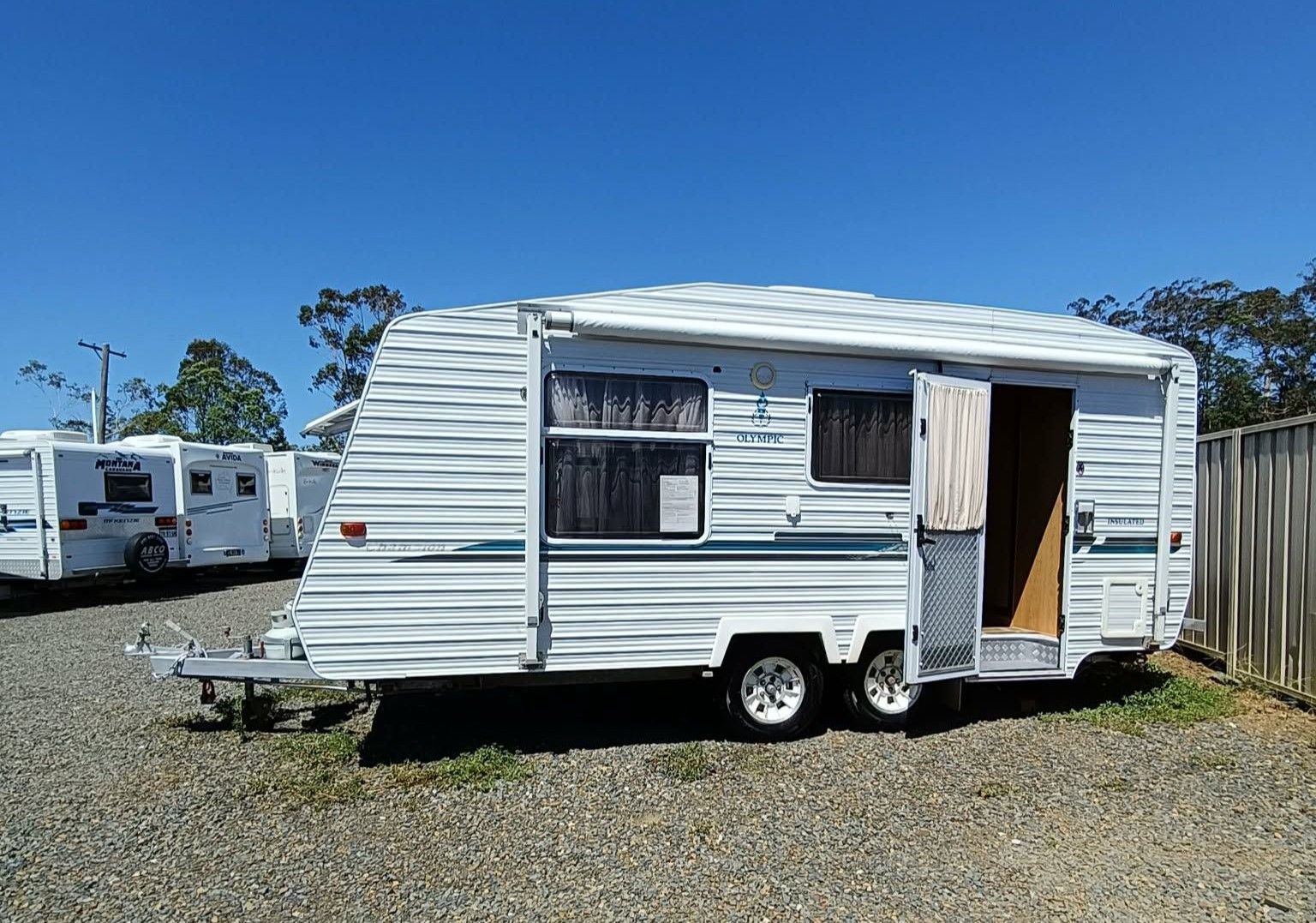
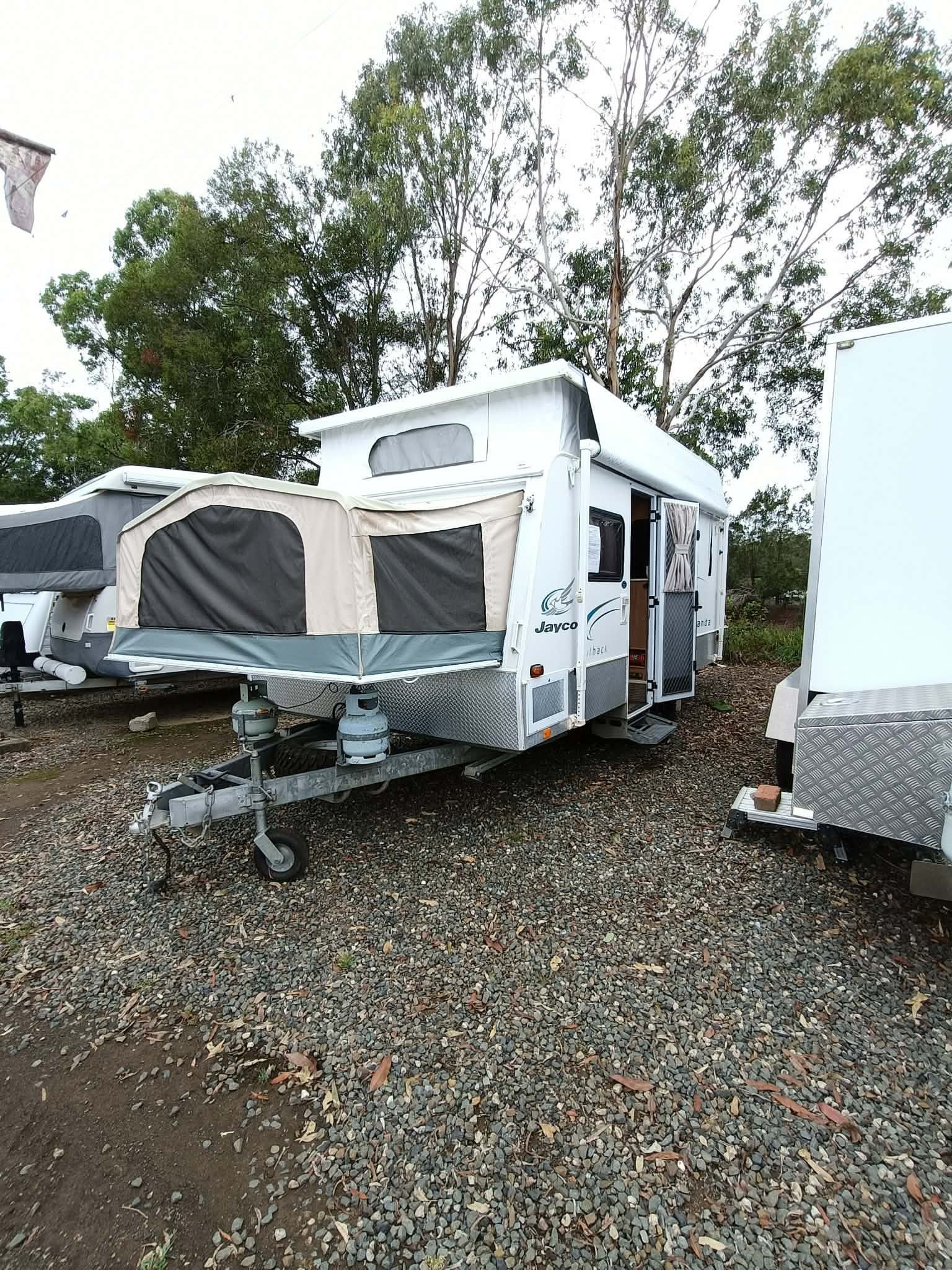
Consignment & Trade In Made Simple
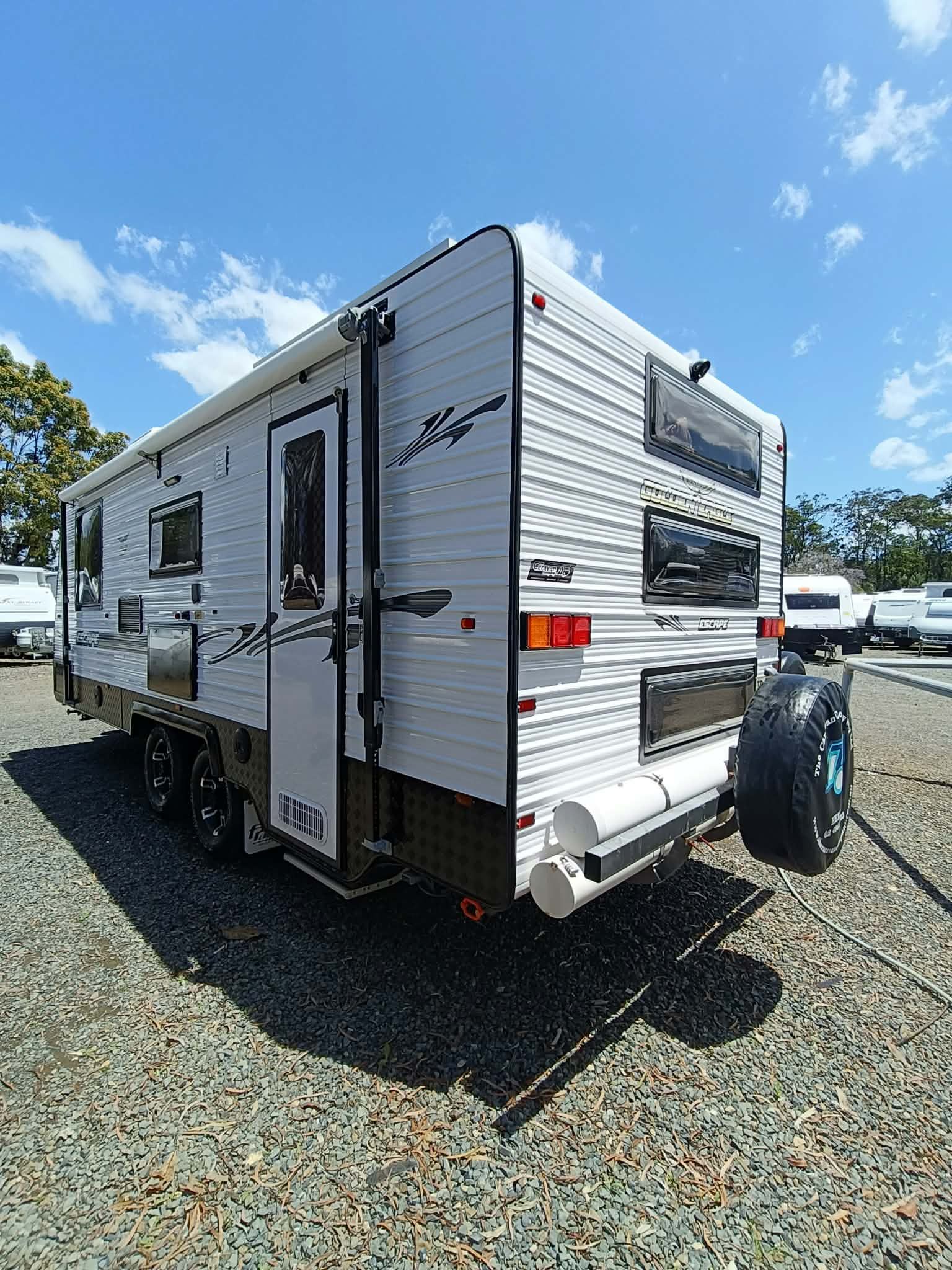
Before purchasing a used caravan, ask the dealer about its ownership and service history, water damage, towing weights, sale arrangements and included paperwork. These questions help Newcastle buyers identify potential problems, understand the true cost of ownership and choose a caravan that suits their tow vehicle. Whether you're buying your first pop-top or upgrading to a larger touring caravan, a little preparation can prevent expensive surprises after handover.
Why the Right Questions Matter When Buying a Used Caravan
A used caravan can look excellent on the sales yard while still having issues that aren't obvious during a quick walk-through.
Wear, previous repairs, water ingress and incomplete documentation can all affect its condition and long-term suitability. That's why asking specific questions is more useful than relying on appearance alone.
For Newcastle and Hunter Region buyers travelling to inspect a caravan, it also pays to request important details before making the trip. Ask the dealer what they know about the caravan, what checks have been completed and whether supporting documents are available. If you're still exploring models, browsing
used caravans and pop-tops can help you identify suitable options before arranging an inspection.
What Is the Caravan’s Service and Ownership History?
A caravan's maintenance history provides valuable insight into how previous owners cared for it.
Ask the dealer:
- How many previous owners has the caravan had?
- Are service records or maintenance receipts available?
- When were the brakes, wheel bearings and tyres last checked?
- Have the suspension, coupling and electrical systems been inspected?
- Have any major repairs or modifications been completed?
Service records aren't always complete, particularly with older caravans. However, missing documentation makes a thorough condition assessment even more important. Check the caravan's identification details against its paperwork and ask about any discrepancies. For example, a caravan advertised as recently serviced should ideally have documentation showing what work was completed and when. Don't assume that a general service automatically includes every appliance, electrical system or structural component.
Has It Been Checked for Water Ingress and Structural Damage?
Water ingress is one of the most important concerns when purchasing a used caravan. Moisture can enter around roof joins, windows, doors, vents and other seals. Over time, leaks may damage internal linings, flooring and structural materials. Ask whether the caravan has undergone a moisture inspection and whether any leaks or water damage have been identified or repaired.
During your inspection, look for:
- Staining or discolouration around windows and ceiling joins.
- Soft or uneven flooring.
- Swollen cabinetry or damaged wall linings.
- Musty odours inside cupboards and storage compartments.
- Cracked, deteriorated or poorly finished external sealant.
These signs don't automatically prove serious structural damage, but they warrant further investigation. A freshly cleaned interior can make problems harder to notice, so inspect cupboards, corners and concealed areas carefully. If you have concerns, arrange an independent inspection before committing. Ask for written details of previous repairs rather than relying solely on verbal assurances.
Will It Suit My Tow Vehicle? Weights, Payload and Towing Limits
A caravan must be compatible with your tow vehicle's legal and manufacturer-specified limits. Before buying, ask the dealer for the caravan's plated weights and clarify what they mean.
The key figures include:
- Tare mass: The caravan's mass in its specified unladen condition.
- ATM (Aggregate Trailer Mass): The maximum permitted total loaded mass of the caravan.
- GTM (Gross Trailer Mass): The maximum permitted mass carried by the caravan's wheels when coupled.
- Tow-ball download: The downward load imposed on the tow vehicle's towbar.
You also need to check your vehicle's braked towing capacity, maximum tow-ball download, Gross Vehicle Mass (GVM) and Gross Combination Mass (GCM), where applicable. These limits work together. A vehicle's advertised towing capacity alone doesn't confirm that a particular caravan combination is suitable.
What Should I Ask About Payload?
Ask how much carrying capacity remains once the caravan is loaded for travel. Water, gas, food, clothing, camping equipment and accessories all contribute to its actual weight. As an example, a couple planning extended trips may need considerably more carrying capacity than someone using a caravan for occasional weekends.
Request the relevant weight information and consider a professional weighbridge assessment where appropriate. For Newcastle buyers planning highway trips, regional touring or travel through hilly areas, a correctly matched towing combination is essential.
Is This a Dealer-Owned or Consignment Caravan?
Not every caravan displayed at a dealership is owned by the dealer. Some are sold on consignment, meaning the dealership markets the caravan on behalf of its owner. Ask whether the caravan is dealer-owned or consigned, and clarify who the legal seller will be.
You should also establish:
- Who is responsible for providing accurate information about its history and condition?
- What inspections have been completed?
- How will the sale contract and payment be handled?
- What statutory rights, warranties or other protections apply to this particular transaction?
Don't assume the same arrangements apply to every vehicle. In NSW, consumer protections and dealer obligations can depend on the nature of the transaction and the caravan involved. Ask for the applicable terms in writing and seek independent advice if anything is unclear.
Can I Trade In My Current Caravan or Camper?
If you're upgrading, ask whether the dealership accepts trade-ins and how the valuation process works. A trade-in can simplify the transition by avoiding the need to advertise your current caravan, manage enquiries and arrange a separate private sale.
However, convenience and sale price aren't always the same thing. Ask the dealer how they assess condition, age, service history, modifications and current market demand. Also request a clear breakdown of the proposed purchase price, trade-in allowance and final changeover amount. Great Lakes Caravans & RV offers options to trade in your caravan or arrange a consignment sale. If you're unsure which approach suits your circumstances, discuss both before making a decision.
What Paperwork and Handover Should I Expect?
Before paying the balance, confirm which documents and items will be supplied at handover. Depending on the caravan and transaction, these may include registration details, identification information, receipts, available service records, appliance manuals and relevant inspection documentation. Ask whether the dealer can explain the operation of the caravan's major systems.
A practical handover should give you an opportunity to check items such as:
- The coupling, safety chains and trailer plug.
- Braking and lighting connections.
- Water pumps, taps and drainage.
- Battery, charging and power controls.
- Gas appliances and their operating instructions.
- Pop-top roof mechanisms, where fitted.
Confirm what equipment and accessories are included in the sale, particularly if the caravan has removable items or aftermarket upgrades. Before finalising the purchase, check the caravan's registration status and consider a Personal Property Securities Register (PPSR) search using its correct identification details. Keep copies of the agreement, payment records and any written representations about the caravan's condition.
Why Choose Great Lakes Caravans for Caravans for Sale in the Newcastle Area?
Great Lakes Caravans & RV is a locally owned dealership based at 14319 Pacific Highway, Nabiac, serving buyers from Newcastle, the Hunter Region and across the Mid North Coast. The business specialises in pre-owned caravans, pop-tops, motorhomes and campers, with a focus on straightforward advice and practical buying decisions. For anyone comparing caravans for sale Newcastle options, visiting the Nabiac dealership provides an opportunity to inspect available stock and ask questions about towing suitability, condition and sale arrangements.
The team also assists buyers travelling from further north, including those searching for caravans for sale Port Macquarie.
If you're thinking beyond the initial purchase, our guide to caravan features that add long-term value offers a useful next step. The best used caravan purchase is an informed one. Take the time to confirm its history, inspect its condition, understand its weights and review the paperwork before committing. Ready to start looking? Contact Great Lakes Caravans & RV or call 02 6554 1479 to discuss available caravans, arrange an inspection or ask about trade-in and consignment options.
Frequently Asked Questions
What Should I Check Before Buying a Used Caravan?
Check the caravan's service history, signs of water ingress, structural condition, tyres, brakes, appliances and identification details. Confirm its loaded weight will suit your tow vehicle and review the sale paperwork before paying.
How Do I Know if a Caravan Has Water Damage?
Look for stained linings, soft floors, swollen cabinetry, musty smells and deteriorated seals. Some moisture problems are concealed, so consider an independent moisture inspection if you have concerns.
Can I Tow a Caravan if It Is Under My Vehicle's Towing Capacity?
Not necessarily. You must also account for tow-ball download, the caravan's loaded mass and the tow vehicle's other weight limits, including GVM and GCM where applicable.
Is Buying a Consignment Caravan Different From Buying Dealer-Owned Stock?
It can be. The seller's identity, contractual arrangements and applicable protections may differ. Ask the dealership to explain the transaction and provide the relevant terms in writing before you commit.
Should I Get an Independent Inspection Before Buying a Used Caravan?
An independent inspection can be worthwhile, especially for older caravans, incomplete service histories or signs of previous repairs. It may identify issues that aren't apparent during a general viewing.